뒷바퀴에서 가장 먼저 눈에 들어오는 점은 아마 잠시 멈춰 생각하게 만들 것입니다. 허브는 비어 있지만, 시각적인 존재감은 오히려 더 무겁고 안정감 있게 느껴집니다.
지난주 이 실제 사진들을 접했을 때, 처음 인상 깊었던 것은 이 바이크가 얼마나 빠르게 가속할 수 있는지가 아니라, 뒷바퀴가 전통적인 전기 모터사이클의 구조적 습관을 근본적으로 어떻게 바꾸는지였습니다. 저는 8년 동안 라이딩을 해왔고 6가지 다른 유형의 바이크를 소유했습니다. 제가 배운 가장 비싼 교훈은 간단합니다. 저는 과거에 복고풍 스타일을 거부하지 못했고, 미적인 요소에 현혹되어 주행 성능이 형편없는 바이크 두 대를 구매했습니다. 그래서 이제 새로운 바이크를 볼 때 가장 먼저 매우 냉정한 질문을 합니다: 그 아름다움이 실제로 라이딩 경험에 도움이 되는가?
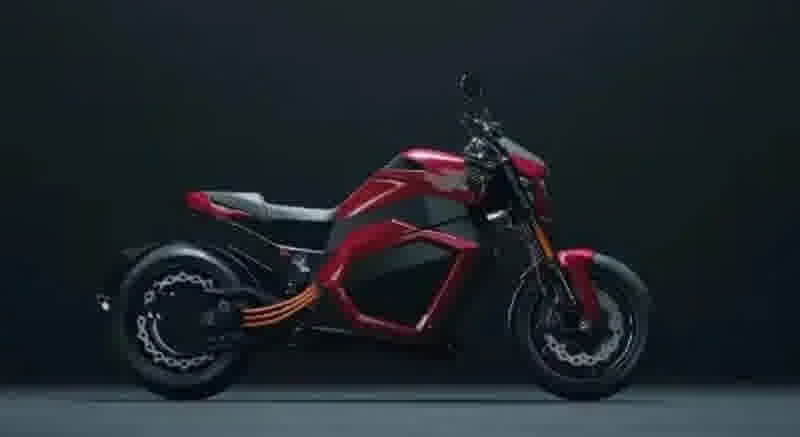
측면에서 보면 가장 눈길을 끄는 요소는 빨간 차체가 아니라, 둘러싸인 빈 프레임과 눈에 띄는 주황색 전력 케이블입니다. 전통적인 가솔린 모터사이클은 엔진을 시각적 중심으로 삼는 반면, 일반적인 전기 모터사이클은 배터리 박스를 부피가 큰 검은 블록처럼 보이게 하는 경우가 많습니다. 이 기계의 방식은 파워트레인을 눈앞에 펼쳐 보여주는 것에 가깝습니다.
이 점은 중요합니다. 단순히 외관을 날카롭게 보이게 만드는 문제가 아니라, 차체 중앙 공간, 뒷바퀴 공간, 배터리 공간 사이에 새로운 관계를 만들어냅니다. 속이 빈 기하학적 프레임은 한눈에 "내부 부품이 예전 방식으로 쌓여 있지 않다"는 것을 보여주며, 주황색 배선 하네스는 전력 흐름 경로를 시각적으로 따라가며 마치 이렇게 말하는 것 같습니다: 단순히 외장을 바라보지 마라 — 배치 자체가 핵심이다.
이런 종류의 바이크를 평가하는 간단한 방법이 있습니다. 먼저 콘셉트 차량처럼 보이는지 묻지 마세요. 우선 가장 무거운 부품이 어디에 배치되어 있는지 확인하세요. 배터리, 모터, 컨트롤러가 모두 스타일링을 위해 억지로 배치되어 있다면, 주행감은 보통 디자인의 약점을 드러냅니다. 반대로 스타일링이 구조 재구성의 결과라면, 계속 살펴볼 가치가 있습니다.
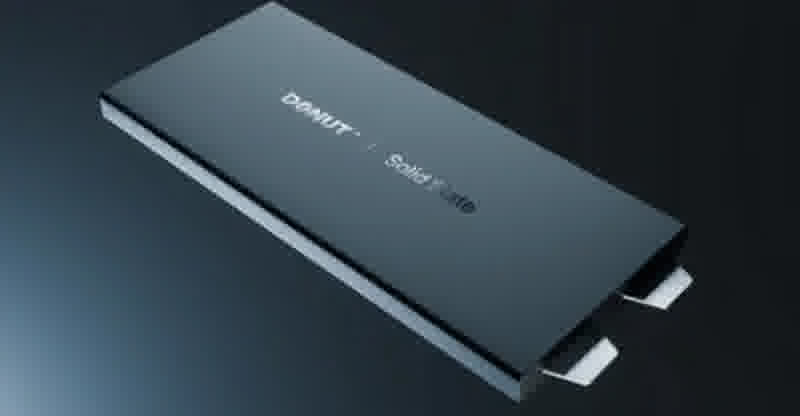
이 Donut 전고체 배터리 모듈은 핵심적입니다. 평평하게 통합된 패키징은 기존 배터리 박스처럼 하나의 큰 부피 공간을 차지하지 않아 하부 프레임 배치에 더 많은 유연성을 제공합니다. 많은 사람들이 전기 모터사이클을 이야기할 때 여전히 전압, 모터 출력, 제로백 시간부터 먼저 이야기합니다. 하지만 도심에서 매일 진짜로 당신을 괴롭히는 것은 대개 저속에서 몇 초 동안의 조작과 유턴입니다.
낮은 무게 중심의 장점은 신비로운 것이 아닙니다. 신호등에서 반 미터씩 천천히 전진할 때 손목이 계속 앞쪽을 버티기 위해 힘을 줄 필요가 없습니다. 지하 주차장 램프에서 유턴할 때 바이크를 돌리기 전에 몸통에 먼저 힘을 주고 버틸 필요도 없습니다. 그 느낌은 "빠르다"가 아니라, 바이크의 무게가 갑자기 몸 위로 쏟아지지 않는다는 감각입니다.
⚠️ 하지만 이 단계에서 전고체 배터리를 신격화해서는 안 됩니다.지속적인 강한 가속 상황에서는 열 관리 성능이 진짜 기준입니다. 평평한 배터리는 방열 경로, 하우징 열전도성, 제어 전략이 모두 따라와야 합니다. 홍보 자료 속 아름다운 모듈만 바라보면 쉽게 함정에 빠질 수 있습니다. 새로운 배터리 형태가 곧 전체적인 내구성을 의미한다고 착각하게 됩니다. 그러다가 여름에 반복적인 고부하 주행 후 출력이 떨어지면, 능력이 아니라 상상을 구매했다는 것을 깨닫게 됩니다.
그 각도는 뒷바퀴의 의도를 가장 잘 보여줍니다. 속이 빈 뒷바퀴 조립체는 중앙 허브 모터 구조를 제거합니다. 중앙 위치는 더 이상 커다란 모터로 채워지지 않고, 바깥쪽 링의 기계적 구조가 대신 시각적 중심이 됩니다. 그 영향력은 화려한 데칼에서 오는 것이 아니라, "있어야 할 무언가가 사라졌다"는 점에서 옵니다.
사람들은 쉽게 이것을 과시라고 해석하지만, 저는 비현가 질량에 더 관심이 있습니다. 기존 허브 모터의 문제는 모터가 바퀴와 함께 튄다는 것입니다. 과속 방지턱, 맨홀 뚜껑, 깨진 노면을 지날 때 뒷바퀴 충격은 눈에 띄게 무겁게 느껴집니다. 속이 빈 구조가 모터와 주요 무게를 바퀴 내부에서 분리할 수 있다면, 서스펜션 반응은 더 깔끔해질 가능성이 있습니다.
여기에는 직관과 반대되는 부분이 있습니다. 많은 사람들은 넓은 타이어와 속이 빈 뒷바퀴가 더 큰 안정성을 의미한다고 생각하지만, 저속 유턴에서는 오히려 어깨에 더 많은 힘이 필요할 수 있습니다. 단면이 큰 와이드 타이어는 접지 면적이 넓습니다. 핸들을 돌리는 순간 타이어는 "부주의하게 다루지 마라"라고 말하는 듯한 저항으로 되받아칩니다. 저는 한 번 쇼핑몰 주차장에서 넓은 타이어 전기 모터사이클을 밀며 램프 교차 지점에서 방향을 돌린 적이 있습니다. 먼저 오른쪽 어깨가 아팠고, 발뒤꿈치는 계속 작은 걸음으로 위치를 조정해야 했습니다. 이런 점은 사양표의 단일 무게 숫자만으로 설명할 수 없습니다.
따라서 와이드 타이어 전기 모터사이클을 평가할 때는 정지 상태에서 얼마나 멋져 보이는지만 판단하지 마세요.시속 약 10km로 두 바퀴 정도 원을 그리며 핸들 복원이 둔한지 느껴보세요. 그런 다음 과속 방지턱을 천천히 넘어가며 뒷바퀴와 서스펜션이 함께 혼란스럽게 튀는지 들어보세요. 저속 주행이 진실을 보여줍니다.
주황색 배선 하네스는 무작위 장식이 아닙니다. 차체 중앙, 스윙암, 뒷바퀴 사이의 전력 관계를 연결해 별도의 외장 패널 제거 없이도 기존 배치와의 차이를 이해할 수 있게 합니다. 많은 전기 모터사이클은 케이블을 최대한 깔끔하게 숨기려 하지만, 이 모델은 오히려 케이블을 기계적 표현의 일부로 만듭니다.
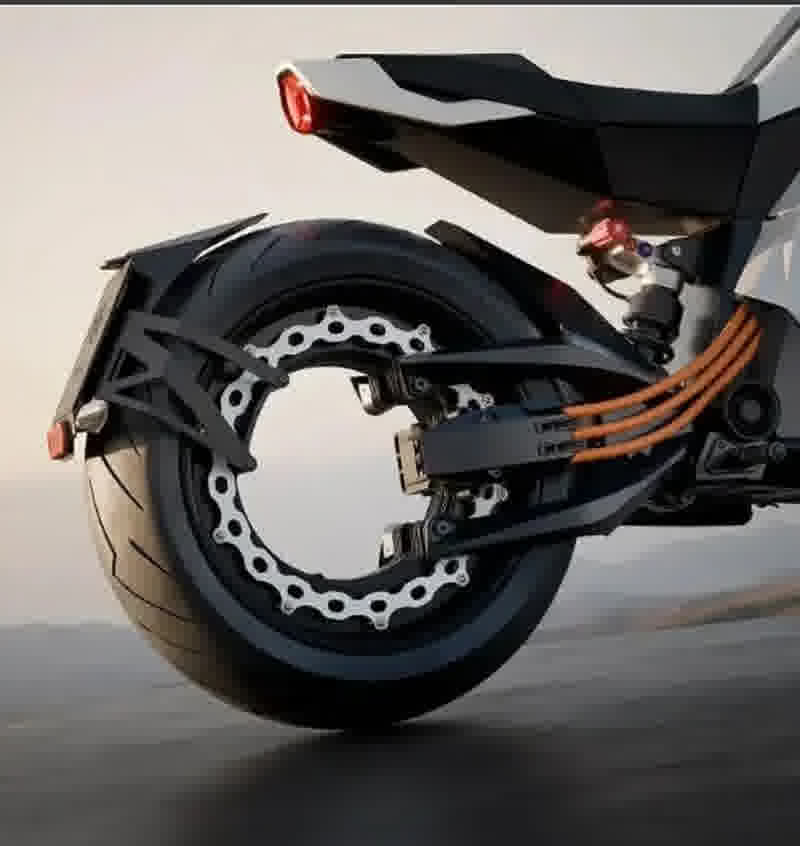
이는 강한 시각적 충동을 만들어냅니다. 빨간 차체, 검은 골격 프레임, 주황색 전력 케이블의 조합은 부드러운 미학이 아니라 날카로운 메카 느낌을 만들어냅니다. 그리고 여기에는 문제가 있습니다. 구조를 시각적 상징으로 더 많이 드러낼수록, 유지보수성은 외관만으로 판단할 수 없게 됩니다. 케이블 배치, 장착 지점, 방수 커넥터, 스윙암 간격은 모두 일상적인 진동을 견뎌야 합니다.
❌ 매우 흔한 실수:속이 빈 뒷바퀴와 속이 빈 프레임을 보고 즉시 주문하는 것. 나중에 뒷좌석, 탑박스, 사이드백을 추가하고 싶어졌을 때, 넓은 뒷타이어가 이미 너무 많은 뒤쪽 공간을 차지했고 브래킷 장착 지점을 찾기 쉽지 않다는 사실을 깨닫게 됩니다. 구매 전에 최소한 승객을 태울 것인지, 탑박스가 필요한지, 자주 짐을 운반하는지 확인하세요. 완전히 적재했을 때 낮은 무게 중심에서 오는 균형감도 짐 배치에 따라 다시 바뀝니다.
이 유형의 바이크는 가장 쉽게 "미래적인 느낌"과 "가속 데이터"라는 관점에서 이야기됩니다. 하지만 일반 라이더에게 일상 사용에 진짜 영향을 주는 것은 배치에 대한 신체적 반응입니다. 저속 조작 중 손목이 아픈지, 넓은 타이어가 코너 진입 전에 어깨에 미리 힘을 주게 하는지, 주차 공간에서 후진할 때 발뒤꿈치가 계속 바닥을 찾게 만드는지 같은 것들입니다.
저는 이것을 구조적 실험으로 보는 편입니다. 속이 빈 뒷바퀴는 독특한 인지성을 제공하고, 잠재적으로 더 높은 유지보수 복잡성을 가져옵니다. 평평한 전고체 배터리는 설계 공간을 넓혀주지만, 동시에 열 관리 검증을 통과해야 합니다. 속이 빈 프레임은 기계적 아름다움을 직접 드러내지만, 동시에 확장성의 한계를 가장 앞에 드러냅니다.
속이 빈 허브 모터;
DONUT 속이 빈 허브 모터;
속이 빈 허브 모터 전기 모터사이클
 2026-10-16 22:47:24
2026-09-01 15:26:16
2026-08-29 22:15:58
2026-08-29 22:14:56
2026-08-29 22:14:25
2026-08-29 21:23:06
2026-08-29 21:21:03
2026-10-16 22:47:24
2026-09-01 15:26:16
2026-08-29 22:15:58
2026-08-29 22:14:56
2026-08-29 22:14:25
2026-08-29 21:23:06
2026-08-29 21:21:03
TEL : + 86-4000988557;
스카이프 ID : gfreex@hotmail.com;
위챗 : STEP_ADTECH;
QQ ID : 8936906.















계속 읽고, 계속 게시하고, 구독하십시오. what 당신은 생각합니다.
 IPv6 네트워크 지원 粤ICP备2021036697号
 온라인 서비스
 4000988557
 sales1@troysupply.comsales2@troysupply.com
 Richard Liu
 TROY
TROY 8936906
 Troysupply_com
 한국의
한국의 English
 français
 Deutsch
 русский
 español
 português
 العربية
 日本語
日本語 Tiếng việt